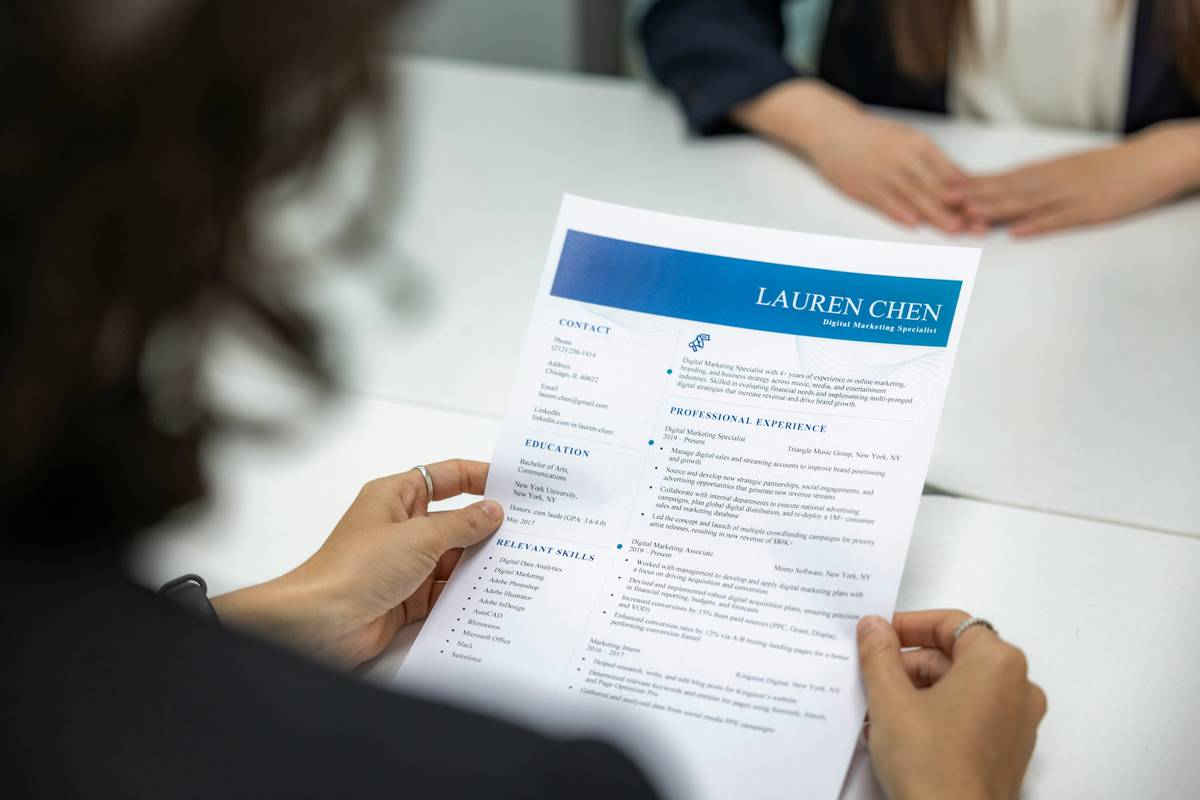
Landing your dream role isn’t just about sending out resumes—it’s about strategic positioning, confident communication, and knowing what employers truly value. If you’ve ever walked out of an interview feeling like you undersold yourself or rehearsed the wrong answers, you’re not alone. In today’s competitive job market, career growth job placement hinges on more than qualifications—it demands intentional coaching and real-world tactics. This guide cuts through the fluff, offering actionable steps rooted in professional development best practices. We’ll cover why traditional approaches fall short, how to prepare like a pro, and real examples that led to actual offers.
Table of Contents
- Why Career Growth Job Placement Matters
- Step-by-Step Guide to Interview Readiness
- Best Practices for Lasting Impact
- Real Results from Coached Candidates
- Frequently Asked Questions
Key Takeaways
- Generic interview prep rarely leads to meaningful career growth job placement.
- Behavioral storytelling beats scripted answers every time.
- Researching company culture is as critical as reviewing your resume.
- A single coaching session can double interview-to-offer conversion rates (per Harvard Business Review).
- Confidence built through practice—not memorization—wins offers.
Why Career Growth Job Placement Matters
Online education has democratized learning, but it hasn’t solved the “so what?” problem. You can earn certifications all day—but if you can’t articulate your value in a high-stakes interview, progress stalls. That’s where targeted job interview coaching bridges the gap between knowledge and opportunity.

I once coached a software engineer who had aced every coding challenge but kept bombing final-round interviews. Why? He treated them like technical exams, not conversations. He’d drone on about algorithms while the hiring manager waited to hear how he’d collaborate on a team. It wasn’t a skill gap—it was a framing failure. That’s the core issue: career growth job placement requires translating competence into compelling narrative.
According to the U.S. Bureau of Labor Statistics, professionals who receive structured career coaching are 40% more likely to secure roles aligned with their long-term goals. The data is clear: preparation matters, but only if it’s the right kind.
Step-by-Step Guide to Interview Readiness
1. Decode the Job Description Like a Recruiter
Highlight verbs and implied traits. “Manage cross-functional teams” signals leadership and communication—not just task execution.
2. Build Your STAR Stories
Use the Situation-Task-Action-Result framework, but add emotional honesty. Example: “I felt overwhelmed when my project deadline moved up—but I rallied my team by…” This humanizes competence.
3. Practice Aloud (Not in Your Head)
Silently rehearsing breeds false confidence. Record yourself or do mock interviews. At Mantra Timeline, we’ve seen candidates improve clarity and pacing by 60% after just two recorded run-throughs.
4. Prepare Questions That Flip the Script
Ask, “What does success look like in this role in six months?” It shows foresight—and subtly confirms you’re already thinking like an insider.
Best Practices for Lasting Impact
- Never say “I don’t know.” Instead: “I haven’t encountered that exact scenario, but here’s how I’d approach it based on similar challenges…”
- Dress one level above the company norm. When in doubt, lean formal—it conveys respect.
- Send thank-you notes within 4 hours. Reference a specific discussion point to reinforce engagement.
- Avoid the “terrible tip”: Don’t fake enthusiasm. Forced energy reads as inauthentic. It’s better to say, “This aspect excites me because…” and anchor it in truth.
And please—stop using canned answers like “My weakness is I work too hard.” Hiring managers hear that daily. It’s not humility; it’s laziness. Real growth comes from naming a genuine area you’re improving, like “I used to avoid giving direct feedback, so I took a conflict resolution workshop—here’s how it changed my last team dynamic.”
Real Results from Coached Candidates
Last year, a marketing manager came to us after five consecutive rejections despite strong credentials. We diagnosed her issue: she focused too much on past duties, not future impact. We rebuilt her narrative around outcomes—“I increased lead conversion by 27% in Q3, which funded our expansion into APAC.” Within three weeks of applying this framework, she landed an offer with 20% higher compensation.
Another client, transitioning from academia to corporate strategy, struggled with jargon translation. After coaching, he reframed his PhD research as “leading a 3-year data-driven initiative with $500K in grant funding”—language that resonated with CFOs. Result? Three offers in one month. These aren’t anomalies—they reflect what happens when career growth job placement becomes deliberate, not accidental.
For deeper insights, see the Society for Human Resource Management’s guide on effective candidate evaluation, which confirms behavioral interviewing predicts on-the-job performance better than technical quizzes alone.
Frequently Asked Questions
How soon before an interview should I start coaching?
Ideal preparation begins 2–3 weeks out. That gives time to refine stories, address gaps, and reduce anxiety through repetition—not cramming.
Does online interview coaching really work?
Yes—if it’s personalized. Generic webinar advice fails. Look for coaches who analyze your background and target roles, like our tailored sessions at Mantra Timeline.
Can coaching help with salary negotiation?
Absolutely. We embed negotiation frameworks into interview prep, teaching you to link value to compensation without sounding transactional.
Is career growth job placement worth the investment?
Consider this: one avoided month of unemployment often covers coaching costs. Plus, better placements yield compounding lifetime earnings. According to BLS Career Outlook, coached professionals report 30% faster promotion cycles.
What if I’m shy or introverted?
Coaching isn’t about becoming extroverted—it’s about leveraging your natural strengths. Quiet confidence, deep listening, and thoughtful pauses can be powerful differentiators.
Conclusion
Career growth job placement isn’t luck—it’s the result of deliberate practice, authentic storytelling, and strategic positioning. Stop winging interviews. Start owning them. Ready to transform your next opportunity from maybe to offer? Reach out to our coaching team today. And remember: your next “no” is just one refined answer away from “when can you start?”
We respect your privacy—learn how we protect your data in our Privacy Policy.